

Biophilic architecture is not simply a trend in design; it’s a statement of principles that invites us to reimagine the way we inhabit spaces. In a world increasingly disconnected from its natural essence, this discipline seeks to reconcile architecture with nature, integrating living elements into built environments to create places that inspire, revitalize, and connect. It’s a proposal that goes beyond aesthetics: it speaks of well-being, sustainability, and the urgent need to return to the essential.
By incorporating organic materials, natural light, and vegetation, biophilic design proposes a balance between the human and the natural, transforming buildings into scenarios of harmony and respect for the environment. This approach not only redefines design but also our way of living and relating to space.
The Essence of Biophilic Design
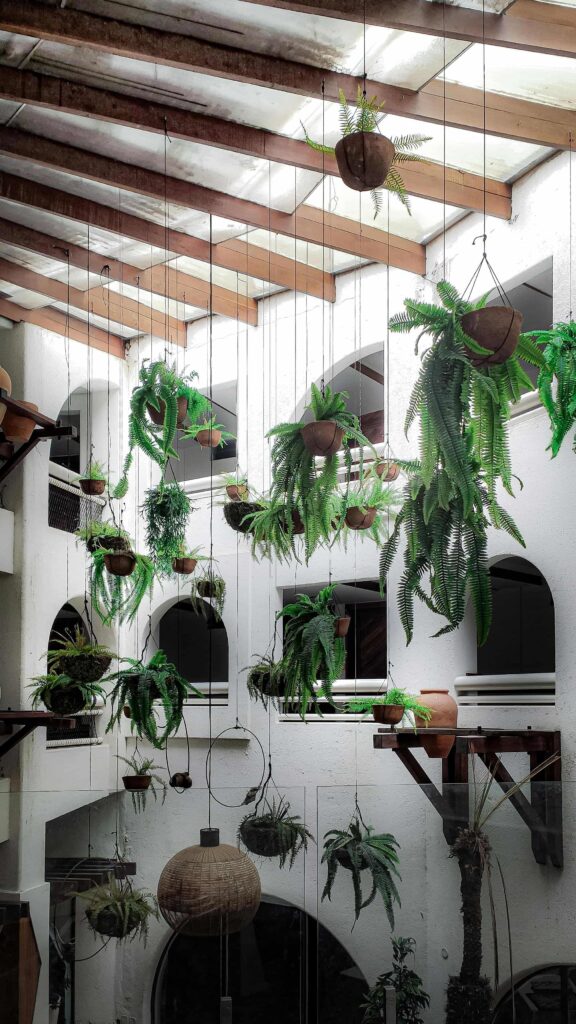
Biophilia, that inherent bond we feel towards living things, is the core of this movement. Incorporating vegetation,organic materials, and a fluid interaction between interior and exterior not only beautifies but also revitalizes. Biophilic interior design creates atmospheres that evoke calm and connection, where nature is not an addition but a pillar.
Benefits of Biophilic Architecture
In the environments where we live and work, biophilic residential design offers a myriad of tangible and intangible benefits:
- Emotional balance: Spaces that embrace the natural reduce stress, promoting mental and physical well-being.
- Energy efficiency: Designs that take advantage of natural light and cross ventilation reduce energy consumption.
- Productivity: In offices and creative spaces, the integration of natural elements enhances performance and creativity.
Essential Elements in Biophilic Design
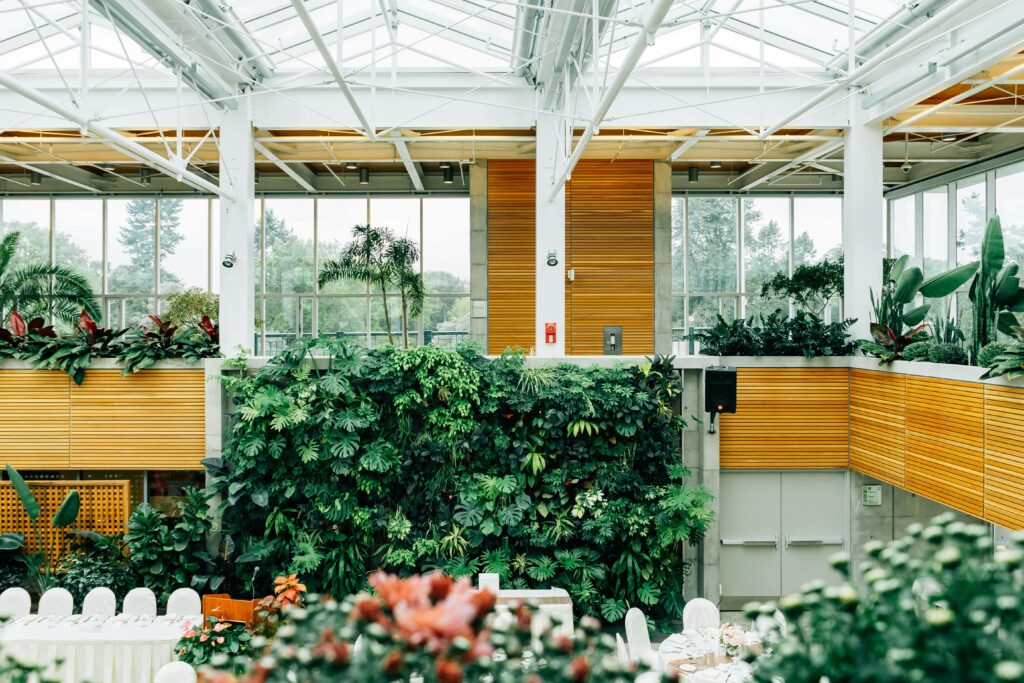
- Integrated vegetation: From vertical gardens to carefully placed green corners.
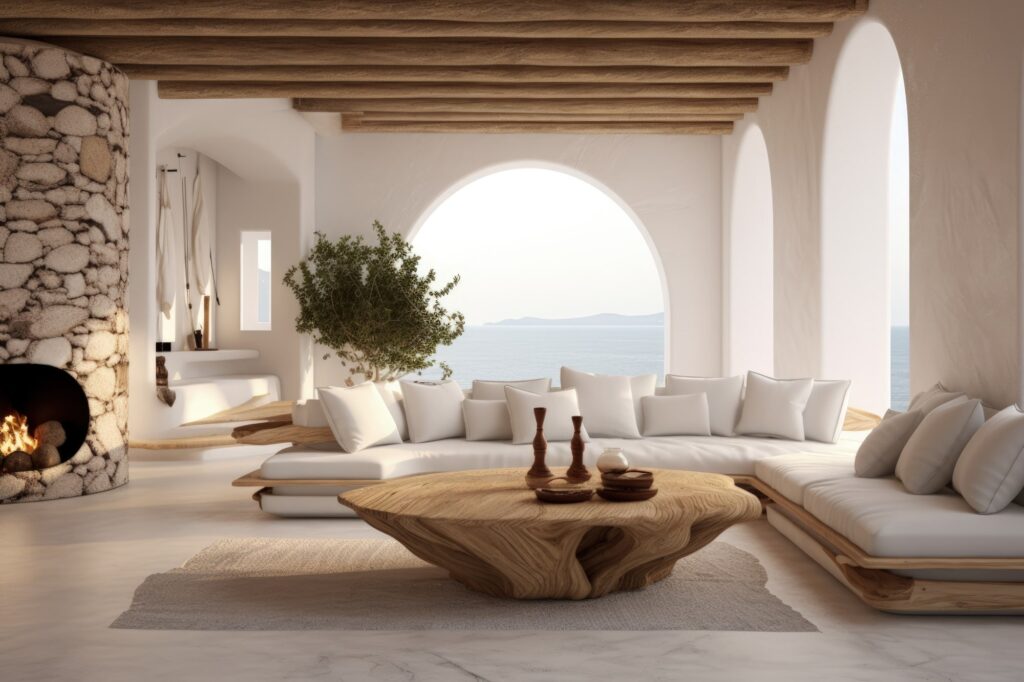
- Natural materials: Wood, stone, and organic fibers that dialogue with aesthetics and comfort.
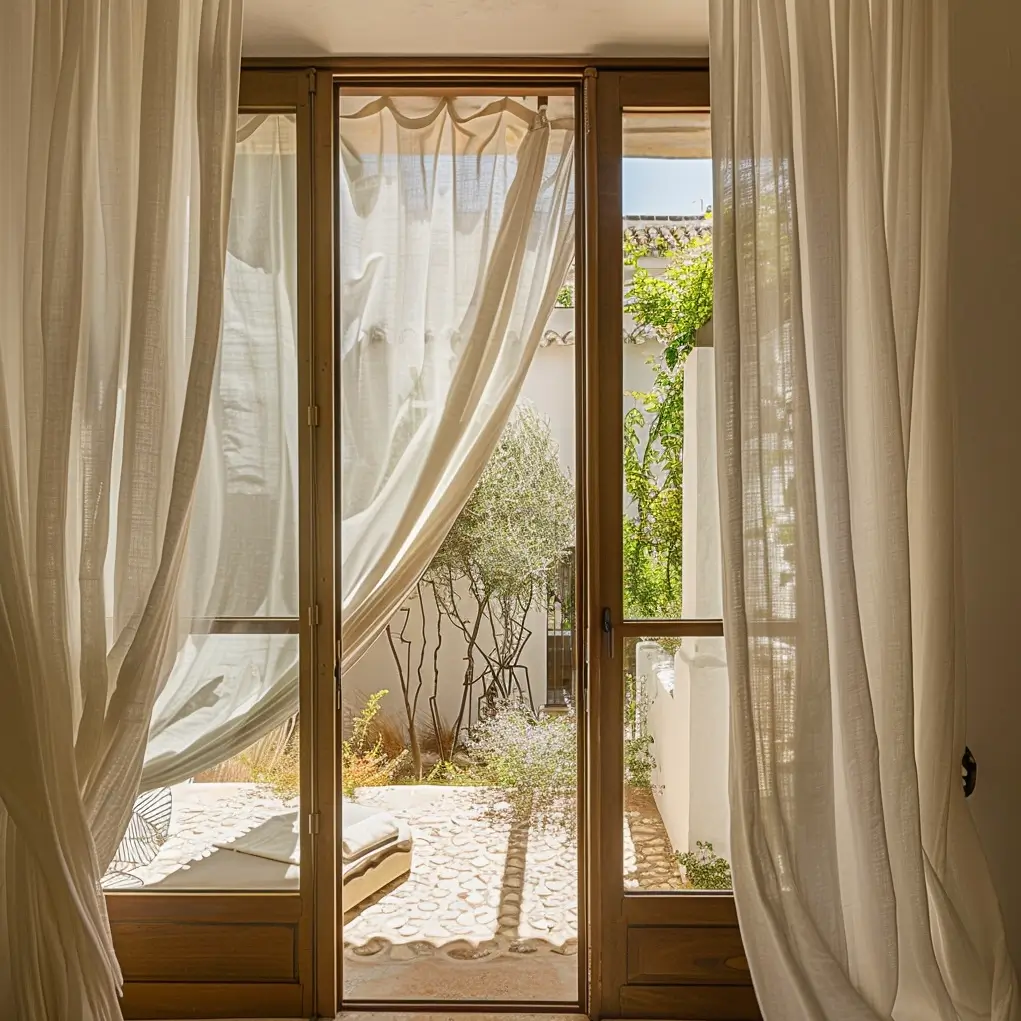
- Natural light and views to the outside: Spaces designed to capture the essence of the environment, inviting the outside to coexist with the inside.
Innovation and Sustainability in Perfect Synergy
Biophilic architecture not only redefines the relationship between people and the spaces they inhabit; it elevates design to a more conscious, sustainable, and essential plane. It’s a dialogue between humanity and nature, a reminder that the environments we create can be both functional and restorative.
At Munya Studio, we conceive design as a way of telling stories, where each space reflects an intimate connection between tradition, innovation, and the emotions they evoke. By embracing biophilic architecture, we find in nature an inexhaustible source of inspiration to create environments that transcend the functional and celebrate the human experience. Thus, in each project, we seek not only to design spaces but also to redefine the way they are lived,integrating the natural as a gesture of balance and timeless beauty.
In a future that demands harmony and sustainability, biophilic architecture is the expression of a commitment that transforms environments into authentic havens of life.

